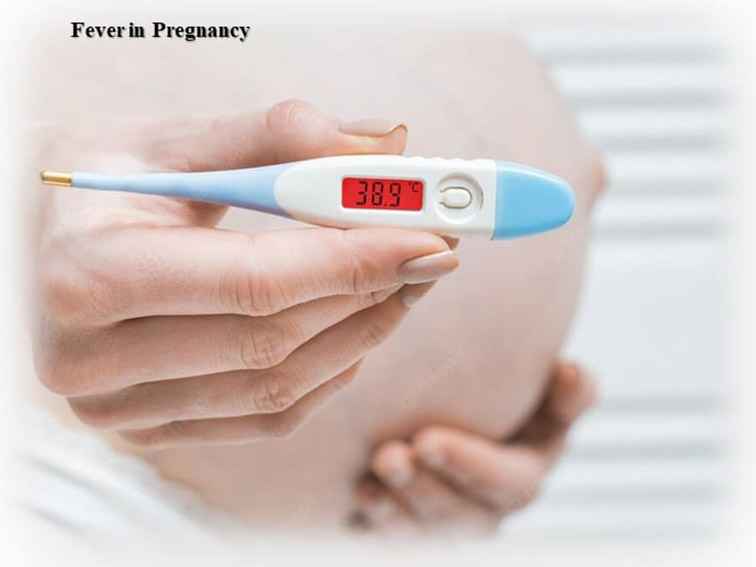
Fever in Pregnancy: Symptoms, Risks, and Safe Remedies
When you are expecting, a sudden spike in body temperature can feel incredibly alarming. While your pre-pregnancy self might have simply swallowed some pills and slept it off, managing a fever during pregnancy requires a bit more care. Your body’s immune defenses naturally adapt to protect your growing baby, which can occasionally make you more vulnerable to everyday bugs.
Here is what you need to know about navigating a fever while pregnant—safely, effectively, and without the panic.
What Counts as a Fever?
A slight shift in warmth is normal, but a true fever is defined medically as a body temperature of 100.4°F (38°C) or higher.
- Normal Fluctuations: 99°F to 100.3°F
- True Fever: 100.4°F (38°C) or higher
Common Symptoms to Watch For
Beyond the number on the thermometer, a fever typically brings along a crew of uncomfortable side effects:
- Shivering, chills, or sweating
- General weakness and exhaustion
- Muscle aches and headaches
- Dehydration (feeling excessively thirsty or having dark urine)
Why a Fever Matters: The Risks
A short-lived, mild fever is usually harmless. However, a high or prolonged fever demands attention because your baby relies completely on your body to regulate their environment.
The risks vary depending on which trimester you are in:
- First Trimester (Weeks 1–12): This is the critical window when your baby’s organs and spinal cord are forming. Studies show that a high, untreated fever early on can slightly elevate the risk of neural tube defects (like spina bifida) or miscarriage.
- Second and Third Trimesters: Later in pregnancy, the main concern shifts. A high or persistent fever—often triggered by an underlying illness like a urinary tract infection (UTI) or respiratory bug—can increase the risk of preterm labor or low birth weight.
The Golden Rule: Having an untreated, raging fever is almost always riskier for your baby than taking a doctor-approved medication to bring it down.
Safe Remedies to Cool Down
If your thermometer crosses that 100.4°F threshold, your primary goal is to lower your temperature safely while your body rests.
Call your healthcare provider Before reaching into the medicine cabinet, send a quick message or call your OB-GYN or midwife. They will want to know your exact temperature reading and any other symptoms you are experiencing.
Use acetaminophen (Tylenol) if approved Medical organizations like ACOG consider acetaminophen (paracetamol) the safest over-the-counter fever reducer during pregnancy. Take the lowest effective dose for the shortest duration possible. Avoid NSAIDs like ibuprofen or aspirin, especially after 20 weeks, unless explicitly prescribed by your doctor.
Hydrate aggressively Fevers cause you to lose fluids rapidly through sweat. Drink plenty of water, clear broths, or electrolyte solutions. Staying hydrated keeps your amniotic fluid levels stable and helps flush out the illness.
Apply physical cooling methods Ditch the heavy blankets, which trap body heat. Wear a single layer of loose, breathable cotton clothing. You can also place a lukewarm, damp washcloth on your forehead or take a tepid (not cold) bath to soothe your skin.
When to Seek Immediate Medical Care
While many fevers stem from a simple cold, some require immediate professional evaluation. Go to the clinic or emergency room right away if your fever is accompanied by any of these red flags:
- Abdominal pain, cramping, or contractions
- Any vaginal bleeding or fluid leaking
- A severe headache, dizziness, or changes in your vision
- Pain or a burning sensation when you urinate (a telltale sign of a UTI)
- A sudden decrease in your baby's movements (if you are past 24 weeks)
Trust your maternal instincts. If something feels off, or if your fever refuses to budge after a dose of acetaminophen, never hesitate to get evaluated. Your medical team is there to keep both you and your little one perfectly safe.